
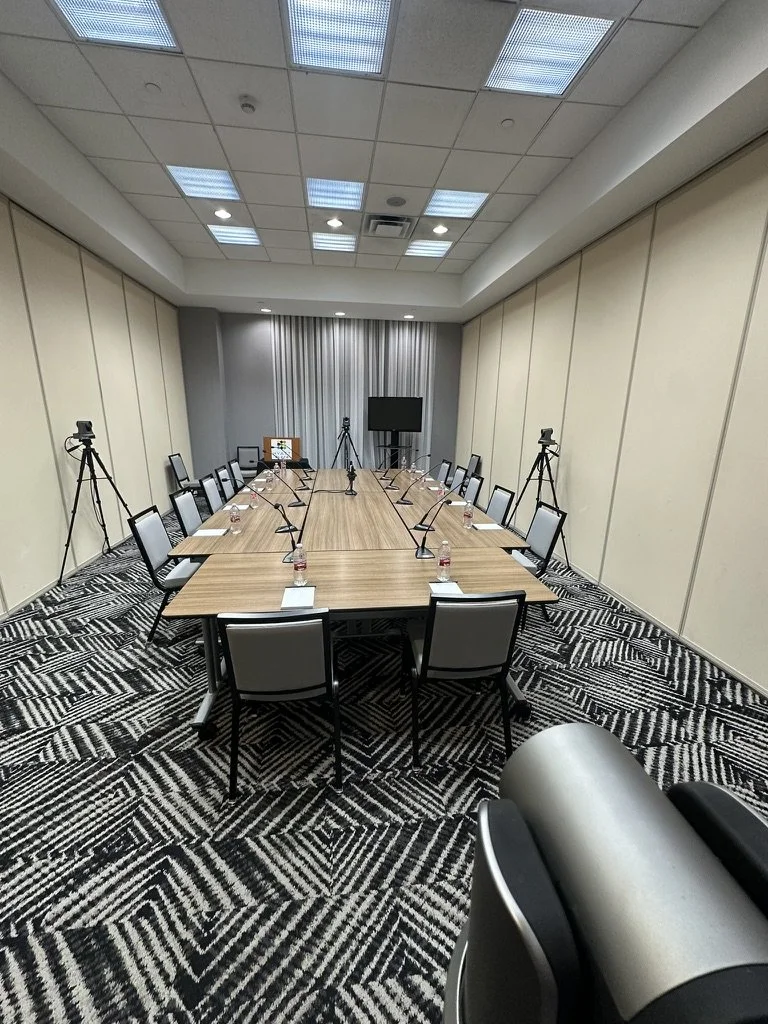
PRE-TRIAL FOCUS GROUP SERVICES
Strategic Jury Intelligence Before You Walk Into Court
Verdicts are not decided by law alone.
They are shaped by perception, credibility, narrative coherence, fairness judgments, and power dynamics inside the jury room.
I design and facilitate structured pre-trial focus groups that allow trial teams to test, refine, and pressure-test their case strategy before it is ever presented in court.
As a seasoned focus group coordinator, moderator, and behavioral analyst, I bring a juror psychology lens to liability exposure, damages narratives, witness credibility, evidentiary sequencing, and case valuation dynamics.
This is disciplined strategic intelligence.
What We Evaluate?
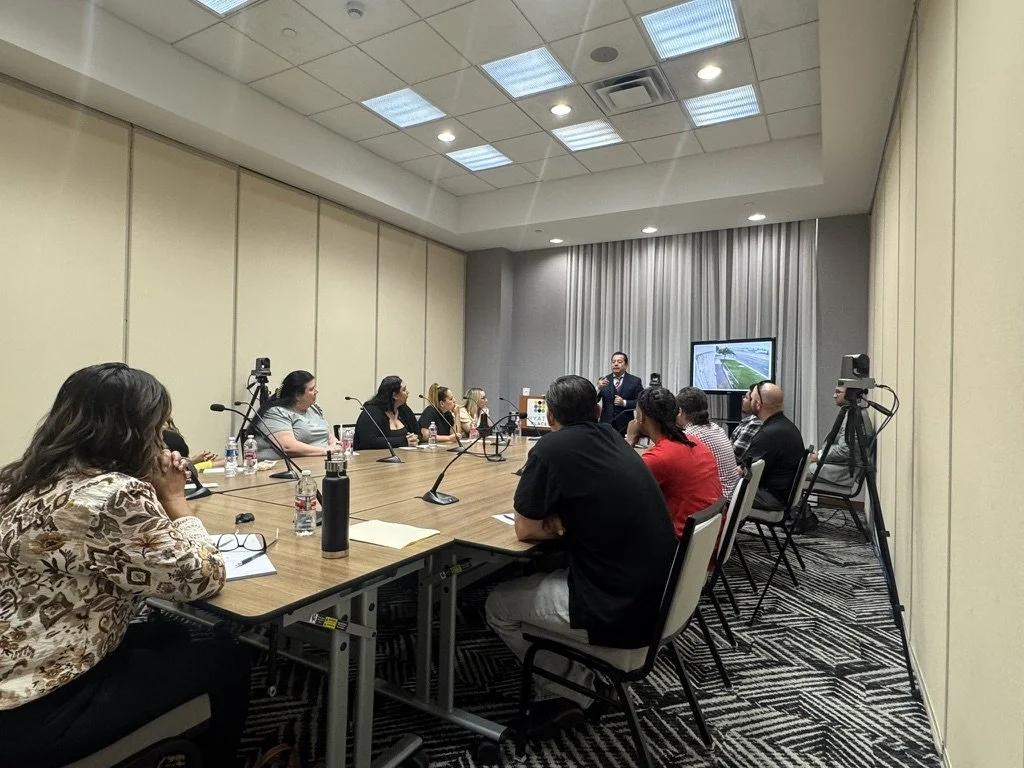
Each focus group is custom-designed around your case themes and litigation posture. We systematically examine:
Liability framing and comparative responsibility
Damages narratives and valuation anchors
Corporate conduct and fairness perceptions
Witness credibility and trust signals
Evidentiary sequencing impact
Power dynamics between parties
Bias triggers and cognitive friction points
Jury room coalition formation patterns
Narrative vulnerabilities and persuasion gaps
We do not simply ask jurors what they think.
We analyze how they think.
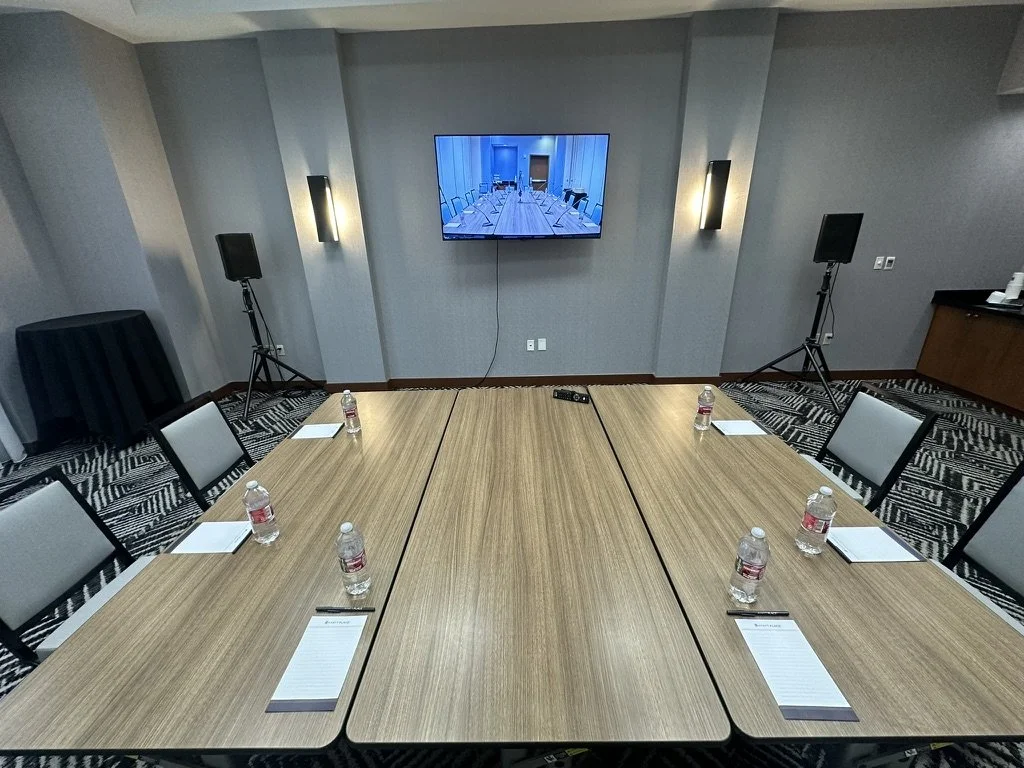
Our Process
-
We segment the case into psychologically meaningful components: liability exposure, harm narrative, corporate decision-making, comparative fault, and credibility signals.
-
Using moderated small-group sessions, we present targeted themes, competing narratives, and evidentiary summaries in controlled sequences to isolate decision drivers.
-
We capture both measurable valuation data and structured narrative feedback to understand:
How jurors assign responsibility
What drives fairness judgments
What increases or decreases damages
Which facts move the needle and which create resistance
-
We observe how jurors influence one another, who becomes a leader, what arguments gain traction, and where polarization forms.
-
The result is actionable insight that allows trial teams to:
Refine case framing
Strengthen witness preparation
Anticipate defense themes
Neutralize narrative vulnerabilities
Align legal theory with psychological reality
Why It Matters? By the time you are in trial, it is too late to discover:
Your strongest liability point triggers reactance
A damaged anchor feels inflated
A witness appears rehearsed instead of credible
A corporate explanation sounds evasive
A seemingly minor fact becomes a moral flashpoint
Pre-trial focus groups surface these issues early, when they can still be addressed.
What Makes This Different…
I do not run generic mock trials. I approach pre-trial testing through the lens of:
Organizational psychology
Behavioral science
Power and fairness perception
Decision-making under pressure
Credibility and influence dynamics
Justice through accountability bias
I analyze not only what jurors conclude, but the cognitive and emotional path that led them there.
That distinction changes strategy.

Each engagement includes:
Participant recruitment and compensation
Structured case theme testing
Moderated focus group facilitation
Juror valuation data
Bias and perception analysis
Narrative vulnerability mapping
Strategic recommendations report
Trial team debrief session
You leave with clarity, not guesswork.
The result is strategic insight that allows trial teams to refine case framing, strengthen witness presentation, anticipate counter-themes, and position arguments in alignment with how real jurors actually make decisions.
Not how we hope they decide. How do they decide?
Let’s Build the Strategy Before Trial Builds It For You
High-stakes cases deserve behavioral intelligence. If you are preparing for trial and want disciplined, psychologically grounded insight before stepping into the courtroom, let’s discuss your case.
Schedule a confidential consultation.
Get in Touch
If you're preparing for trial, schedule a confidential consultation to discover how my pre-trial focus groups go beyond demographics and conventional juror profiling. Grounded in behavioral science and the psychology of influence, my approach examines not only what jurors think, but how they think—the biases, assumptions, perceptions, and psychological processes shaping how they interpret information, assign responsibility, and make decisions.
Do not wait until trial to discover what jurors believe. More importantly, discover what it takes to influence those beliefs. Use these insights to anticipate resistance, strengthen your case narrative, refine your trial strategy, and increase your persuasive impact.